
 Espresso Gears
 Brewing Essentials
 Coffee Accessories
 Coffee Beans
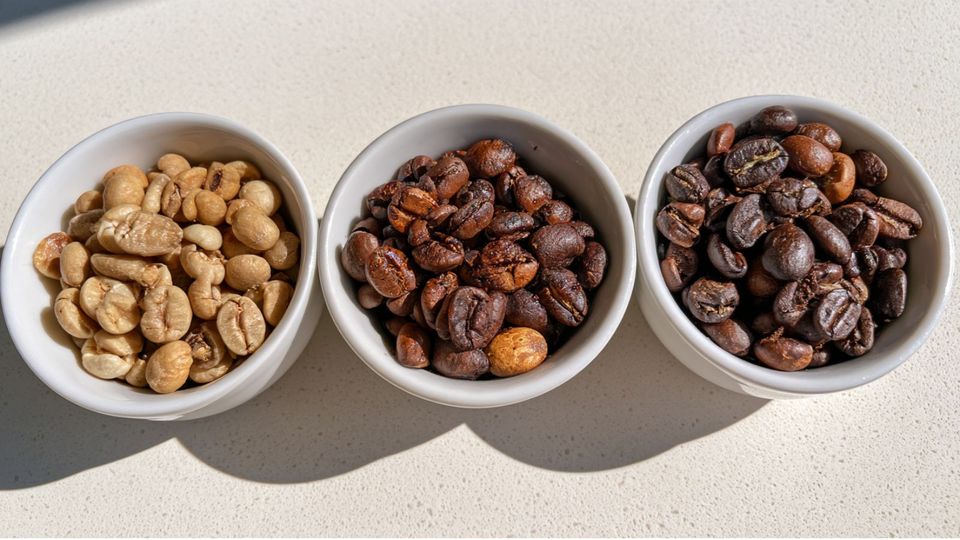
Roast level has nothing to do with the type of bean, it’s just how long and how hot those beans sat in the roaster. Light roast gets pulled early and tastes bright and a little fruity, dark roast stays in much longer and turns bold, smoky, almost bittersweet, and medium sits right in the middle. Same bean, three completely different personalities.
I get asked about this more than almost anything else at the counter. Someone picks up a bag, reads “dark roast,” and assumes it means stronger coffee, or more caffeine, or just “the good stuff.” None of that’s really true, and once you know what’s actually happening in the roaster, picking a bag stops being a guessing game.
What “Roast Level” Actually Means
Green coffee beans are pale and grassy smelling and taste nothing like coffee. Roasting is what turns them into, well, coffee, and the roaster is just applying heat over time. Pull the beans out early and you get a light roast. Let them go longer and you move through medium into dark. That’s genuinely the whole mechanism. The bean’s origin, altitude, variety, all of that is still in there, but roast level is a separate decision layered on top, and it changes the flavor more than almost anything else short of grinding it wrong.
Roasters talk about “first crack” and “second crack,” actual audible cracking sounds, like popcorn, as the beans expand and release moisture. Light roasts stop right around first crack. Medium pushes a bit past it. Dark roasts go well into or past second crack, which is also when you start seeing that shiny, oily sheen on the surface of the bean.
Light Roast
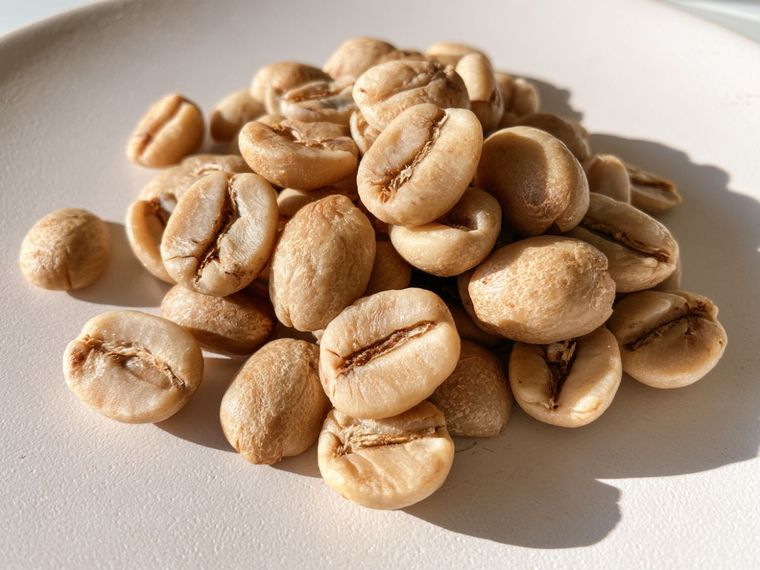
Pulled early, before much of the bean’s natural acidity and origin character gets roasted away. This is where you taste the fruity, floral, sometimes downright wine-like notes that a specific farm or region is known for. It’s also the least forgiving roast: there’s nowhere to hide a mediocre bean, so light roasts tend to show up on beans the roaster is genuinely proud of. I’d reach for a pour-over or a drip method here almost every time; a slower, cleaner brew lets those delicate notes actually come through instead of getting muddied.
Medium Roast
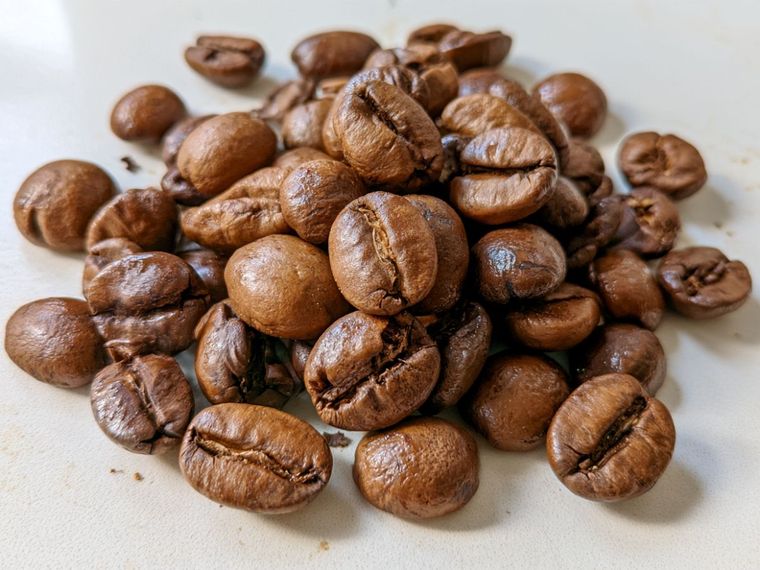
The crowd pleaser, and for good reason. You keep some of the origin character but round off the sharper acidity, and you pick up a little more body and sweetness: caramel, toasted nut, that sort of thing. It’s genuinely the most forgiving roast across brew methods, which is exactly why it’s the default on so many bags. If you only ever buy one roast level, medium is the safe, satisfying answer.
Dark Roast
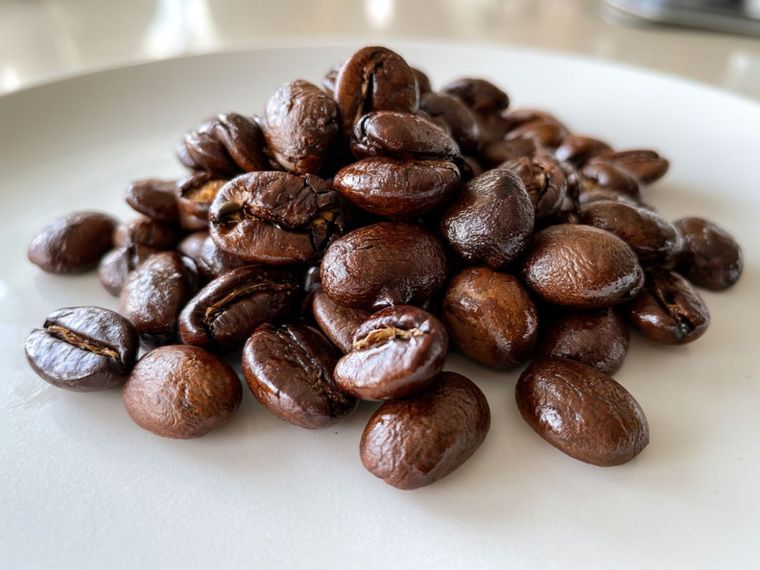
Long enough in the roaster that the bean’s own sugars start to caramelize hard, and the origin flavor gets pushed way into the background by the roast itself. Smoky, bittersweet, sometimes almost chocolatey or charred, depending on how far it goes. This is where the oils show up on the surface. Dark roast holds up beautifully to milk, which is part of why it became the go to for espresso drinks for so long, but “holds up to milk” and “required for espresso” are two very different claims.
Two Things Worth Correcting
Dark roast doesn’t have more caffeine. If anything it’s the opposite, very slightly, since longer roasting burns off a tiny bit of caffeine, though the difference is small enough that it barely matters by the cup. What people are actually noticing is that dark roast tastes stronger and more intense, and their brain reads “intense” as “more caffeine.” Different thing entirely.
Dark roast doesn’t have more caffeine. If anything it’s the opposite, very slightly.
And dark roast isn’t a requirement for espresso. That’s a habit that stuck around, not a rule. Plenty of specialty shops pull espresso from medium or even light roasts these days, and it can be genuinely excellent: brighter, more complex, less of that scorched bitter edge you get from an over dark bean. Worth trying if you’ve never had it.
Reading a Bag
Honestly, the roast date matters more than the roast level. A medium roast that was roasted three weeks ago will taste flatter than a light roast from three days ago, every time. Check the date before you check anything else on the label. And if you see terms like “city roast” or “full city,” those are just more specific points on the same light to dark scale: city roast sits around light medium, full city is closer to medium dark.
Whatever roast you land on, the brew method matters just as much as the bean. If you’re leaning light, a pour-over setup is going to treat it far better than a drip machine ever will. If you’re leaning dark and espresso bound, the right gear makes a bigger difference than people expect. Our Espresso Gears collection has what you need to actually do it justice.
Brew It Right, Whichever Roast You Choose
The right gear makes more of a difference than people expect, especially once you know what you’re actually working with.


3 thoughts on “Coffee Roast Levels Explained: Light, Medium, and Dark (And What to Brew Them With)”