
 Espresso Gears
 Brewing Essentials
 Coffee Accessories
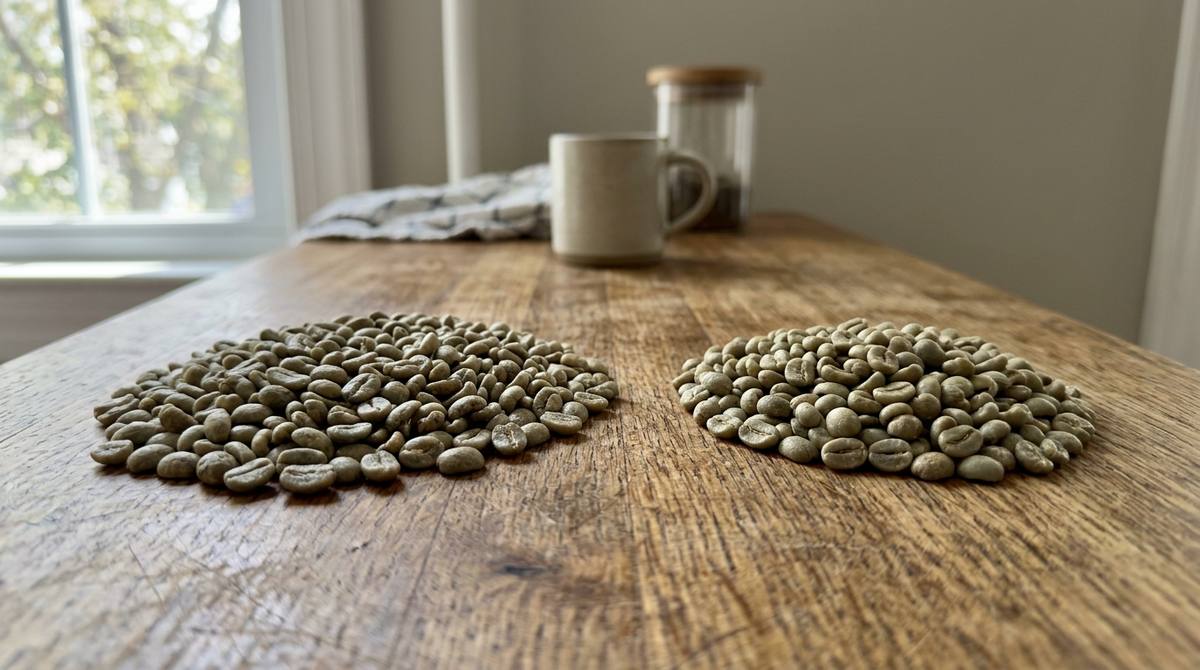 Coffee Beans
Arabica is sweeter and more complex, with roughly 1.2 to 1.5 percent caffeine. Robusta is bolder and more bitter, with roughly 2.2 to 2.7 percent, about double. Most specialty coffee is arabica, but robusta is not automatically bad, and arabica is not automatically good.
Nearly all the coffee in the world comes from two species of plant, arabica and robusta. They taste different, grow differently, and carry different amounts of caffeine, and the gap between them explains a lot about why coffee is priced and marketed the way it is.
Flavor
Arabica tends to taste sweeter and smoother, with fruity, floral, or chocolatey notes and a pleasant acidity. Robusta tastes stronger and harsher, with a heavy body and earthy, woody, sometimes rubbery notes. Lower-grade robusta can taste burnt or bitter, which is where its poor reputation comes from.
Caffeine
Robusta has roughly twice the caffeine of arabica, around 2.2 to 2.7 percent by weight compared to 1.2 to 1.5 percent. That extra caffeine acts as a natural pest deterrent, which is part of why the plant is so hardy. If you are curious how that plays out in a real cup, our breakdown of espresso caffeine goes into the numbers.
How and Where They Grow
Arabica is fussy. It prefers cool, high-altitude growing conditions, usually somewhere between 600 and 2,000 meters, and it is more vulnerable to disease and frost, so it costs more to grow. Robusta thrives at lower elevations and warmer temperatures and resists pests and disease, which makes it cheaper and more reliable. Arabica makes up roughly 60 percent of the world’s coffee, with robusta supplying most of the rest.
Arabica versus robusta tells you the species. It does not tell you the quality.
The Myth: Robusta Is Always Bad
Cheap, poorly processed robusta really is unpleasant, but that is a processing and grade problem, not a species problem. High-quality robusta exists, and many traditional Italian espresso blends include a small amount on purpose because it adds body and a thicker crema. On the flip side, low-grade arabica can taste flat and sour. The label is a starting point, not a verdict.
How to Tell What Is in Your Bag
Look for “100% arabica” on the label. If a bag does not say, especially a blend or a very cheap ground coffee, it may contain robusta. Specialty roasters almost always use arabica and say so. If you are comparing bags, our guide to roast levels will help you read the rest of the label too.
Pull Better Shots at Home
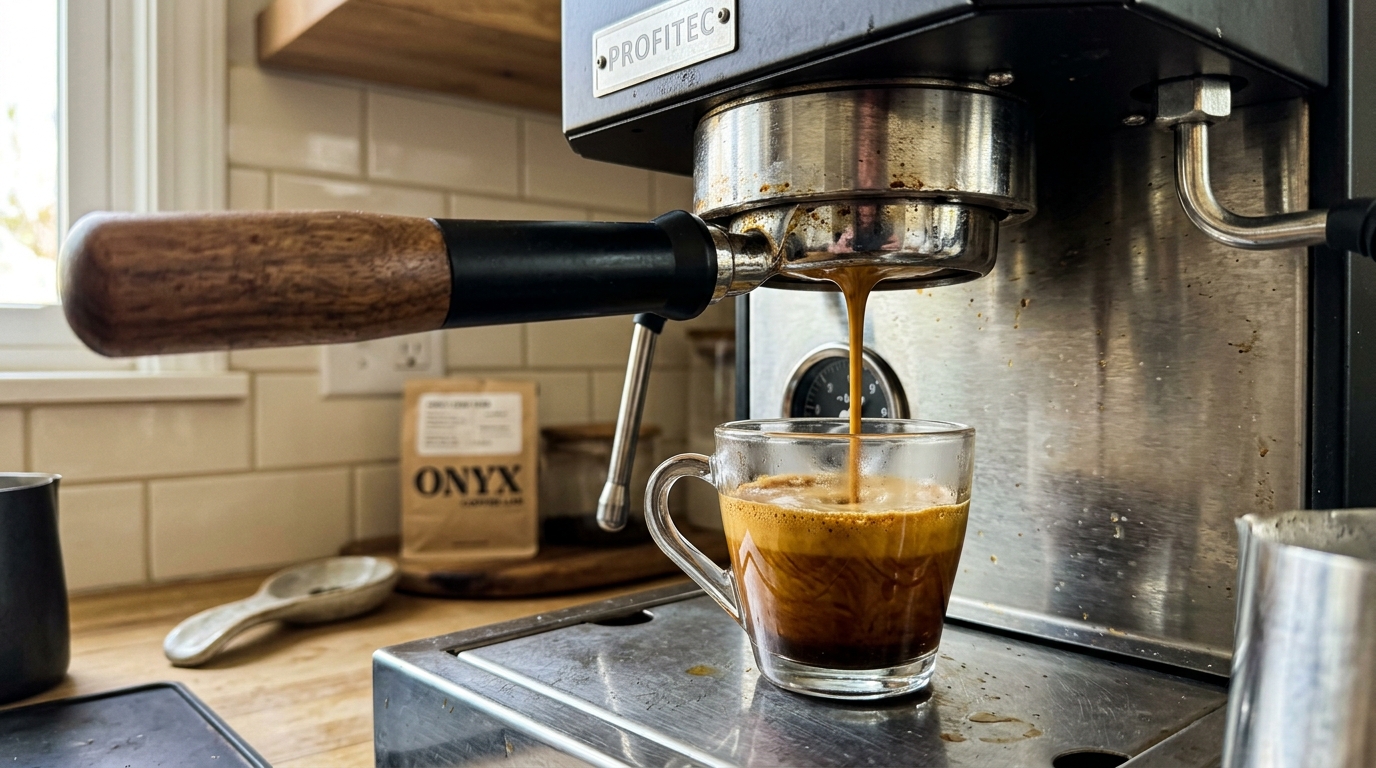
Whatever beans you pick, the right equipment makes them taste better.
One thought on “Arabica vs. Robusta: What’s the Real Difference?”